Protein: Function, Distribution, and Scientific Understanding

An exploration of how protein functions within the body, where it appears across food systems, and what contemporary research reveals about adequate intake patterns.

Protein's Biological Roles

Protein serves as one of three primary macronutrients, fulfilling numerous critical functions within human physiology. Beyond its popular association with muscle, protein participates in enzyme production, hormone synthesis, immune function, and tissue repair. Understanding these diverse roles contextualizes why adequate protein consumption remains nutritionally significant.

Amino acids—the building blocks of protein—combine in various configurations to create thousands of distinct proteins serving different physiological purposes. The body can synthesize some amino acids internally, while nine others must be obtained through dietary sources, making these "essential amino acids" a particular focus in nutritional discussion.
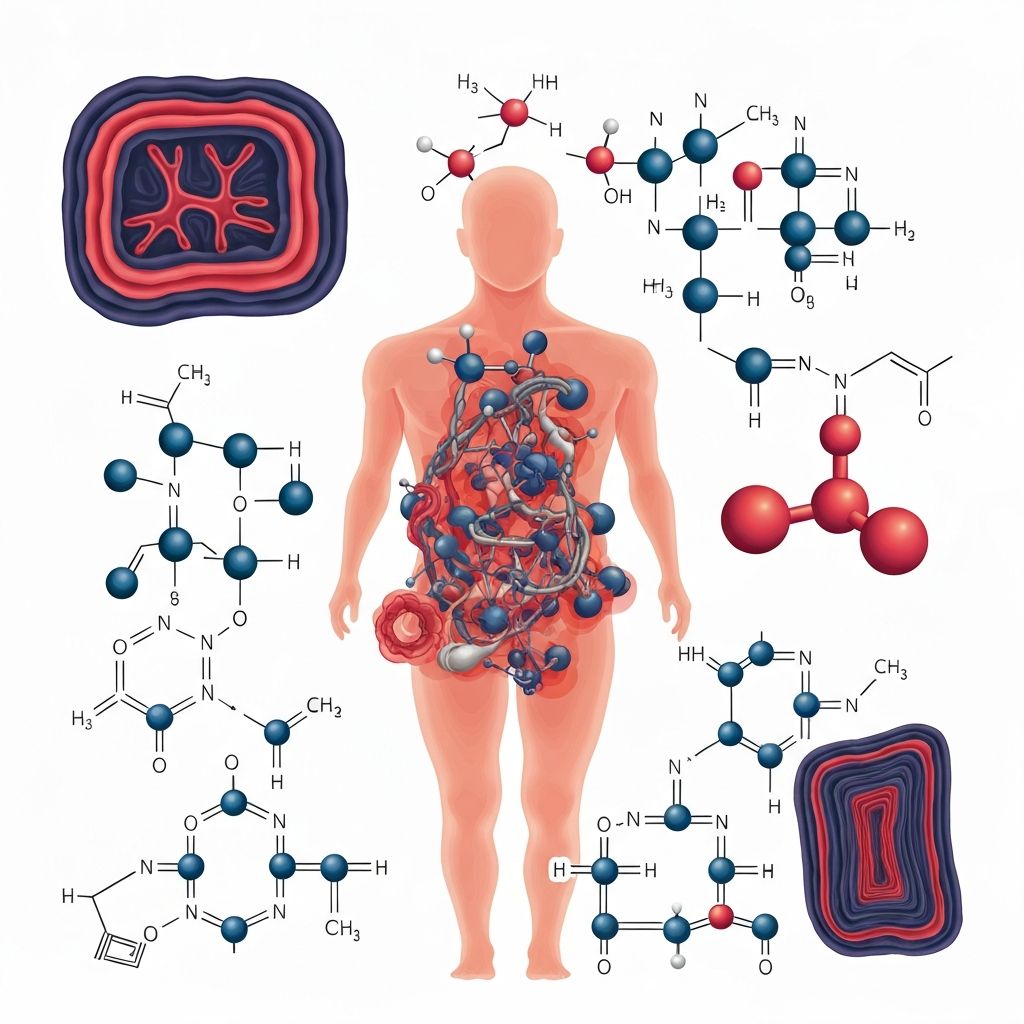
Scientific illustration of biological processes

Protein Distribution in Food Systems

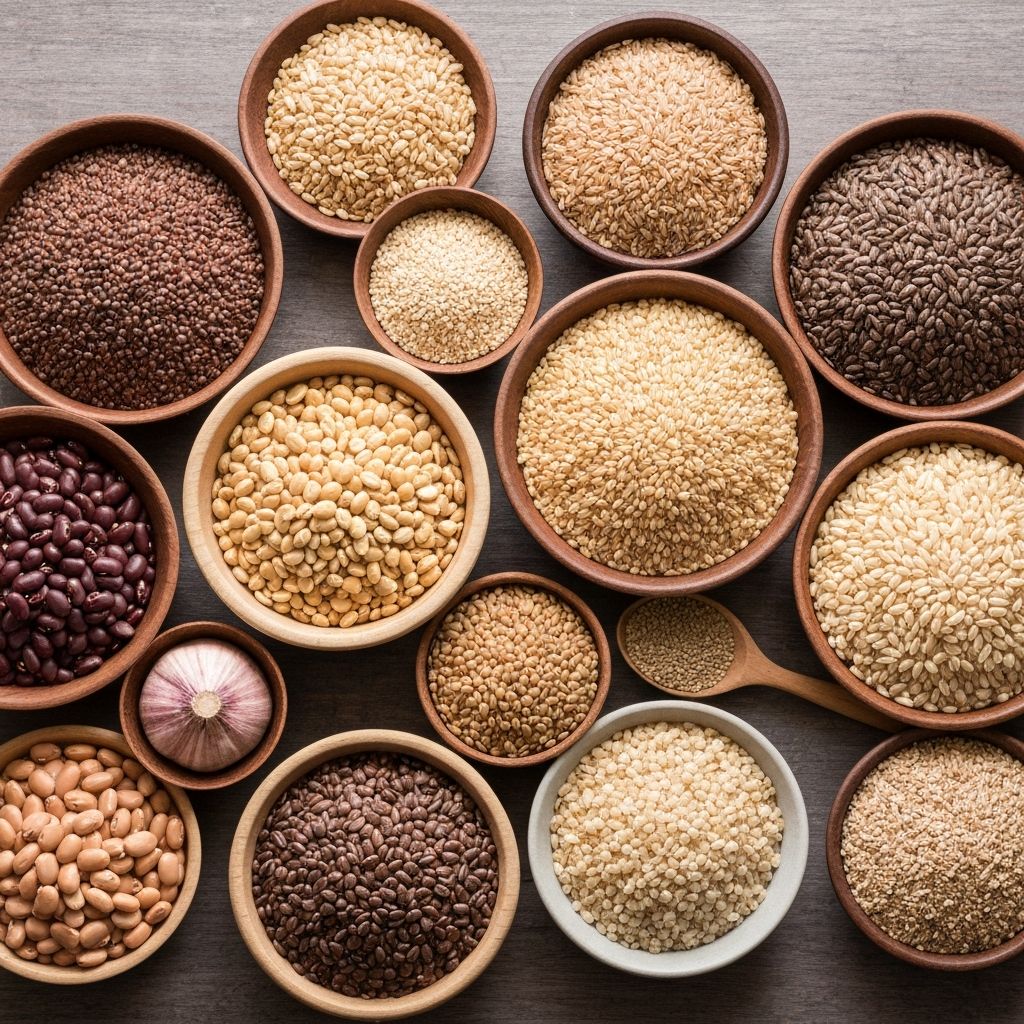
Contrary to common assumptions, protein appears across diverse food categories. While animal sources—meat, fish, eggs, dairy—contain all essential amino acids in single foods, plant-based sources also contribute significant protein. Legumes, grains, nuts, and seeds collectively provide the amino acid diversity needed for physiological function.

Food combinations create what nutritionists call "complete proteins," where different sources together provide all essential amino acids. A diet including varied foods naturally assembles complete protein profiles regardless of whether all proteins derive from single sources.

Array of whole grains legumes and seeds

Protein Needs and Individual Variation

Scientific research establishes baseline protein requirements for maintaining physiological function, though individual needs vary based on factors including age, activity level, health status, and specific circumstances. Rather than a single universal recommendation, appropriate protein intake exists on a spectrum, with legitimate discussion regarding optimal levels within that range.

Contemporary evidence suggests that distributed protein consumption across meals may support various physiological processes more efficiently than concentrated intake patterns. However, the importance of overall protein adequacy supersedes concerns about temporal distribution for most individuals.

Important Context: The materials on this site are for informational and educational purposes only. They do not constitute individual medical advice or specific recommendations. Approaches to health and nutrition vary greatly, and information presented here should not replace personal decisions or consultations with qualified healthcare professionals.